


Navigate with Care
The theme for the 2027 Science Without Borders® Challenge is “Navigate with Care.“ This year, we invite you to create artwork that explores how mariners can help protect both people and life in the ocean by navigating safely and responsibly.
Every day, people travel across the ocean and along coastlines for work, recreation, fishing, transportation, research, and exploration. Boats connect communities, support livelihoods, and allow people to experience the beauty of the ocean. But the choices people make on the water can also affect marine animals, coastal habitats, and the safety of everyone at sea.
Most boaters do not intend to harm the ocean. However, vessels can accidentally damage marine ecosystems or injure wildlife when people are unaware of what lies beneath the surface, travel too quickly near animals, anchor in fragile habitats, or ignore navigational guidance. The good news is that many of these impacts can be prevented. By navigating with care, boaters can help keep people safe while protecting marine life and the ecosystems that support our planet.
To enter the contest, submit artwork that shows how people can Navigate with Care to protect both people and life in the oceans. Your artwork should show how the decisions people make on the water can protect marine life, conserve fragile ecosystems, and promote safety at sea. Through your art, demonstrate how responsible navigation helps people and nature coexist while safeguarding our ocean for future generations.
What Does It Mean to Navigate with Care?
To navigate with care means to travel on the water in ways that protect people, vessels, marine wildlife, and ocean ecosystems. It means planning ahead, paying attention, respecting local rules, and understanding that the ocean is not empty space—it is a living world.
Safe navigation and ocean conservation go hand in hand. Many of the same practices that help prevent accidents at sea also help prevent damage to coral reefs, seagrass meadows, mangrove forests, kelp forests, salt marshes, oyster reefs, whales, dolphins, sea turtles, seabirds, fish, and other marine life.
Navigating with care is not only for large ships. It applies to many kinds of vessels, including fishing boats, sailboats, yachts, ferries, research vessels, cargo ships, kayaks, and small recreational boats. Anyone who spends time on the water can make choices that help protect the ocean.
Small Choices, Big Impact
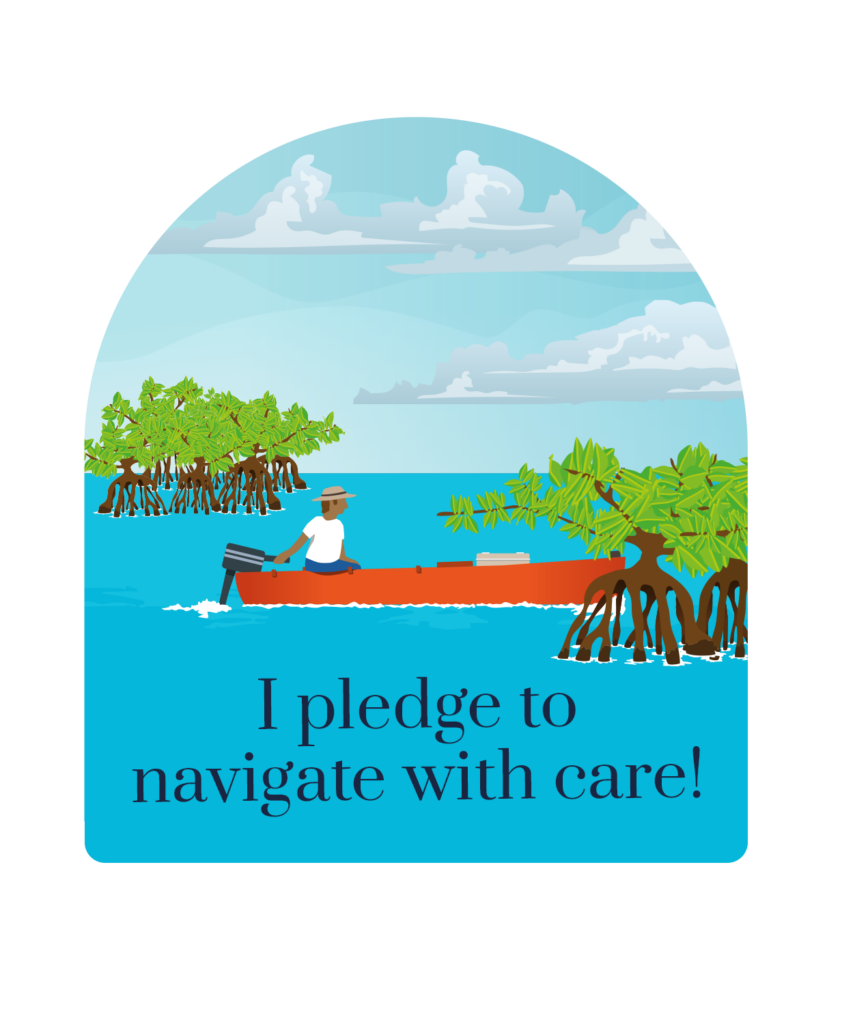
Boaters can be part of the conservation solution. Small decisions made on the water—where to travel, how fast to go, where to anchor, and how to respond to wildlife—can make a big difference for marine ecosystems.
Using Information to Protect the Ocean
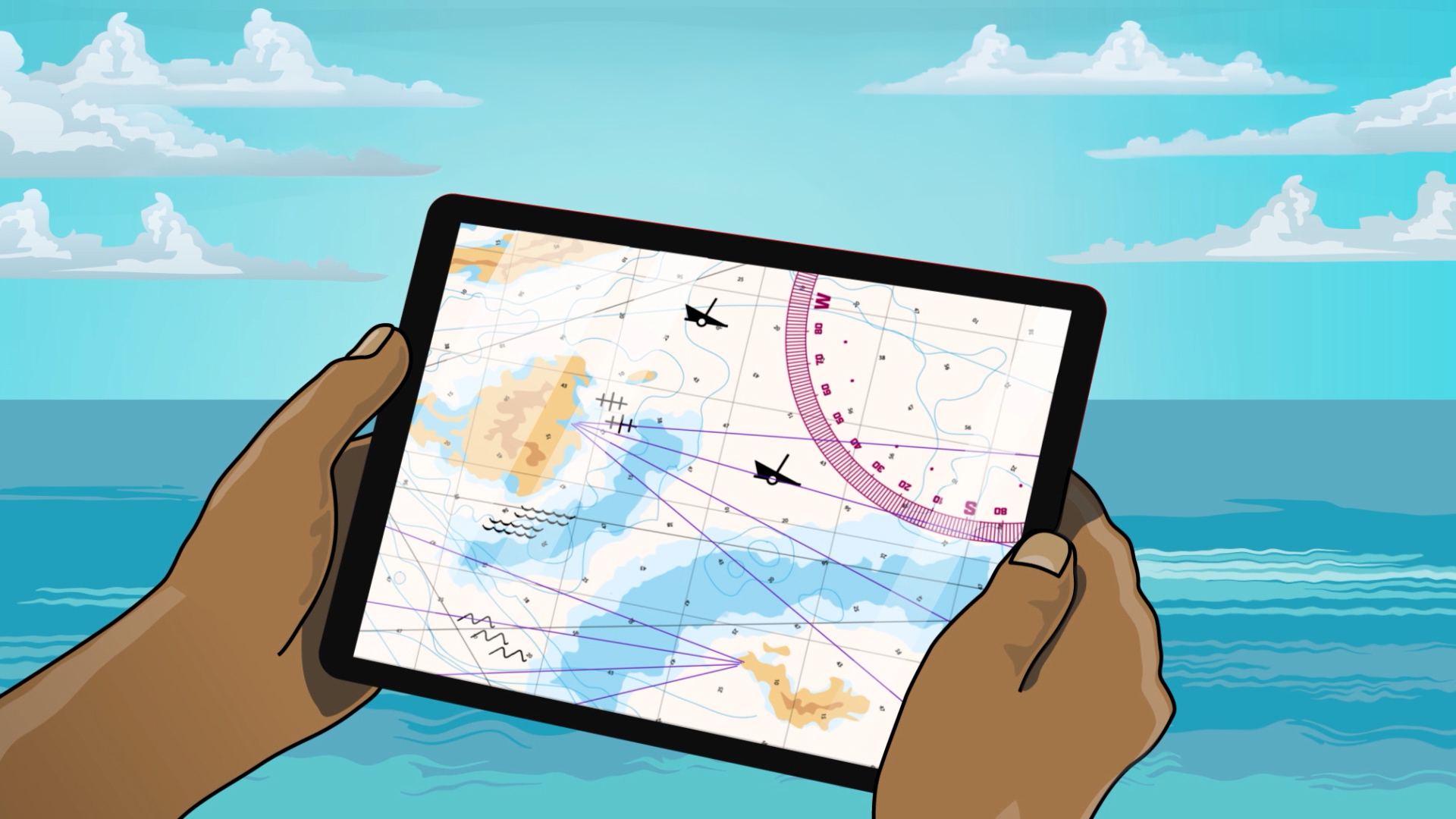
Mariners use many kinds of information to make safe and responsible decisions on the water. Weather forecasts, nautical charts, navigation markers, and local regulations can help boaters understand where it is safe to travel and which areas should be avoided. Using the right information helps protect people while also reducing the risk of harm to marine life and sensitive habitats.
Plan ahead before leaving shore
Safe navigation begins before a vessel leaves the dock. Mariners use weather forecasts, tide information, nautical charts, local regulations, and knowledge of the area to plan their routes and avoid hazards.
Planning ahead helps people stay safe by reducing the risk of getting lost, running aground, entering dangerous waters, or being caught in poor conditions. It also helps protect marine ecosystems by allowing boaters to avoid shallow habitats, sensitive wildlife areas, protected zones, and places where navigation could cause damage.
A carefully planned voyage is safer for people and better for the ocean.
Use Updated Nautical Charts
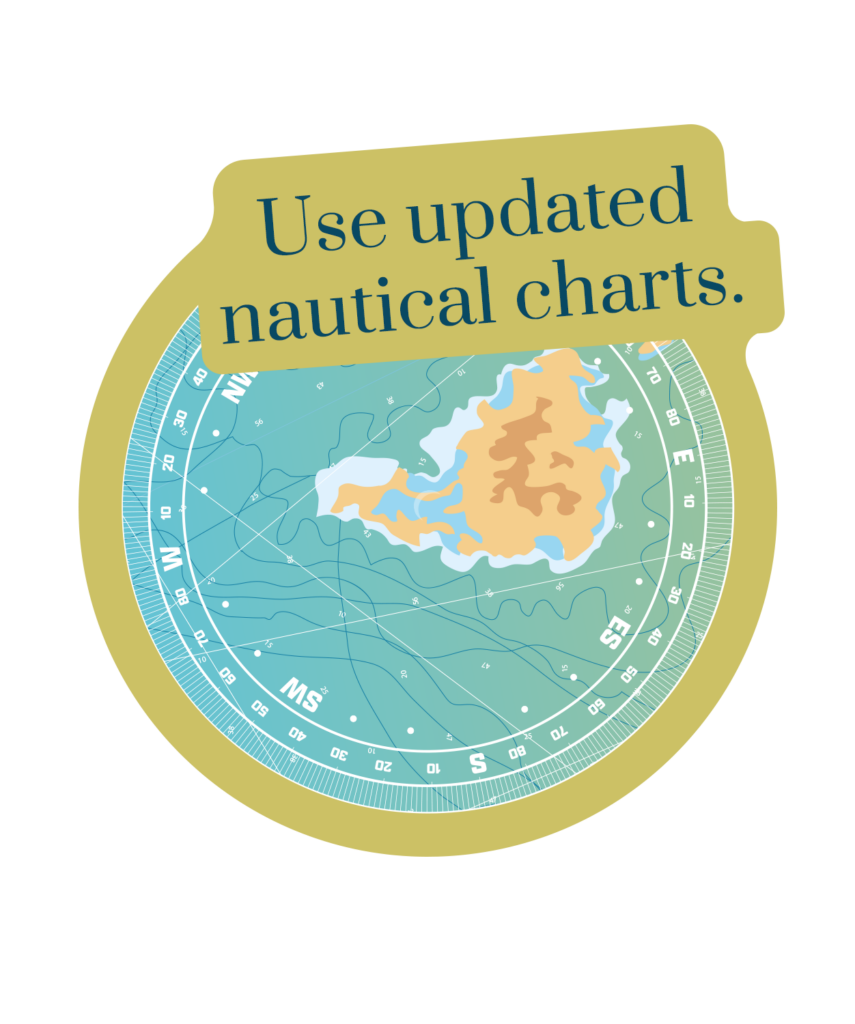
A nautical chart is a special map used for traveling on the water. Unlike a road map, nautical charts show water depth, channels, reefs, rocks, sandbars, underwater hazards, navigation markers, restricted areas, and other important information.
Using updated nautical charts helps mariners choose safer routes and avoid running aground. This is especially important in coastal waters, where a boat can accidentally strike a coral reef, disturb seagrass, or damage habitats that may not be visible from the surface.
Modern charts and navigation tools may also identify Marine Protected Areas, no-anchor zones, and environmentally sensitive habitats, helping mariners make informed decisions that protect both people and the ocean. Scientists have mapped many coral reefs, seagrass meadows, and other important marine habitats, allowing these sensitive areas to be incorporated into nautical charts and electronic navigation systems.
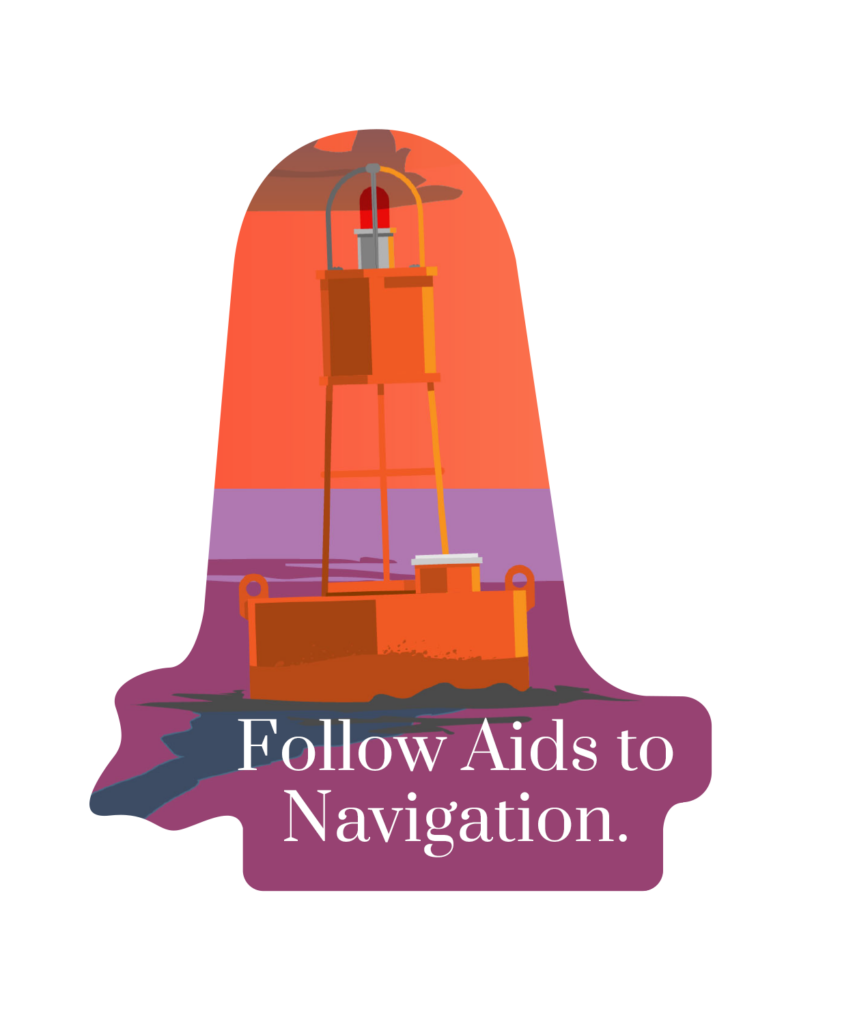
Follow Aids to Navigation (AtoNs)
Around the world, floating buoys, beacons, lights, lighthouses, and other Aids to Navigation (AtoNs) help guide vessels safely through the water. Together, they form an internationally recognized system that helps mariners navigate waterways, identify hazards, and travel safely from one place to another.
Different AtoNs provide different kinds of information. Some mark shallow reefs, underwater rocks, sandbars, wrecks, or other hazards. Others identify safe navigation channels, indicate where vessels should or should not travel, mark speed-restricted areas, or help protect environmentally sensitive habitats and Marine Protected Areas.
By understanding and following Aids to Navigation, mariners can make safer decisions on the water. They help reduce the risk of accidents, vessel groundings, and collisions while protecting coral reefs, seagrass meadows, mangrove forests, and other important marine ecosystems that may not be visible from the surface.
A buoy or marker may seem simple, but following it can help protect lives both above and below the water.
Respect Marine Protected Areas
Many countries have established Marine Protected Areas (MPAs) to conserve important marine habitats, wildlife, and cultural resources. An MPA is a designated area of the ocean where certain human activities are not allowed in order to protect marine ecosystems and species.
Not all MPAs have the same rules. Some are open to boating, fishing, and recreation, while others may include designated navigation routes, no-anchor zones, speed restrictions, or seasonal closures to protect wildlife during breeding, nesting, feeding, or migration. Local regulations may also help protect sensitive habitats and critical marine ecosystems that provide food and shelter for wildlife, support fisheries, improve water quality, and help keep our ocean healthy.
Responsible mariners learn about local regulations before they leave shore and follow them while on the water. By staying in marked channels, respecting protected areas, and following local guidance, boaters can help conserve these special places while keeping themselves and others safe.
Navigating with Care means planning ahead so people can travel safely while avoiding damage to sensitive habitats.
Sharing the Ocean with Wildlife
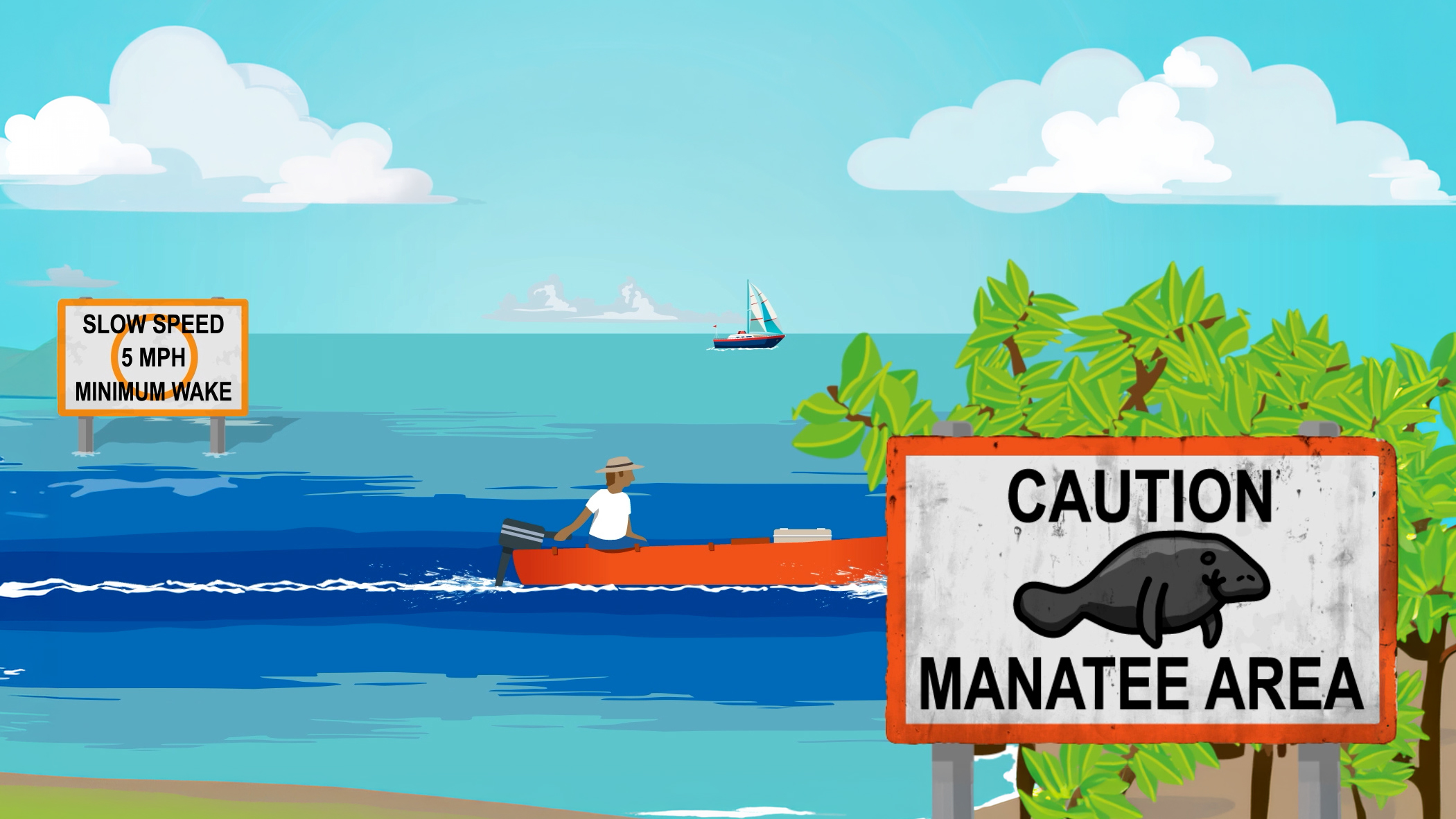
The ocean is shared by people and wildlife. Commercial ships, fishing boats, ferries, recreational boaters, and researchers all travel through waters that are home to countless marine species.
Many marine animals travel through the same waters used by boats and ships. Whales migrate thousands of miles between feeding and breeding grounds. Sea turtles cross entire ocean basins. Dolphins, sharks, seabirds, fish, and other species depend on healthy habitats and safe migration routes throughout their lives.
Because people and wildlife often share the same ocean spaces, navigation decisions can have important impacts on both marine animals and human safety. Careful navigation helps reduce collisions, protects endangered species, and allows everyone to safely enjoy and use the ocean.
Protecting Migration Routes
Many marine animals follow predictable migration routes as they travel between feeding, breeding, and nursery areas. These routes sometimes overlap with busy shipping lanes.
Scientists study animal movements to help identify important migration corridors and recommend safer routes for vessels. By avoiding critical habitats when possible, mariners can reduce disturbances to wildlife while also lowering the risk of dangerous encounters at sea.
Avoiding Vessel Strikes
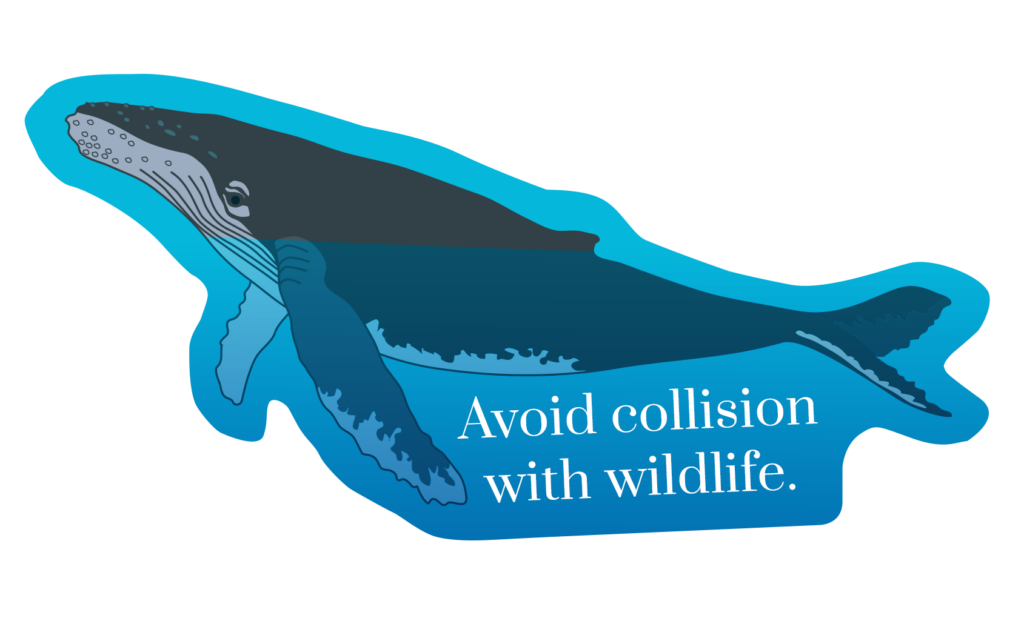
Large marine animals such as whales, sea turtles, and manatees can be injured or killed when they are struck by vessels. Vessel strikes can also damage boats, injure passengers or crew, and create hazardous situations on the water, especially when large animals are involved.
In some regions, ships slow down in important wildlife habitats or adjust their routes to reduce the risk of collisions. Slower speeds give both mariners and wildlife more time to react, making the ocean safer for everyone.
Using Technology to Protect Wildlife
New technologies are helping mariners make safer decisions for both marine life and people.
Scientists use satellite tags, drones, acoustic listening stations, and wildlife tracking systems to monitor animal movements. Some systems can automatically alert vessel operators when whales are nearby, giving them time to slow down or safely change course. Electronic navigation charts, real-time wildlife alerts, and route planning tools also help mariners avoid sensitive habitats and reduce the risk of accidents.
Navigating with Care means giving marine animals the space they need to survive while reducing risks for mariners.
Protecting What Lies Beneath
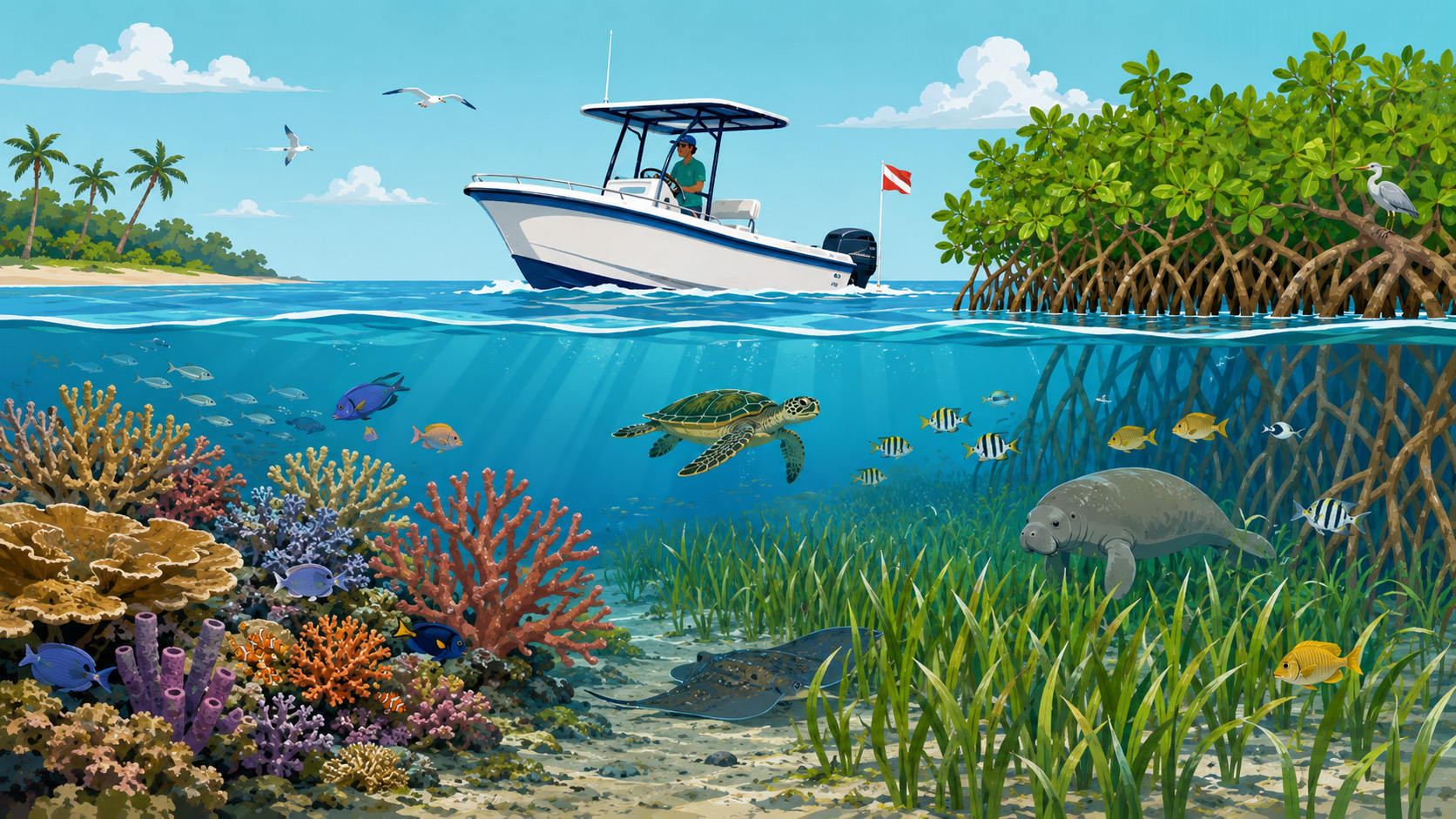
Much of the ocean lies hidden beneath the surface. Coral reefs, seagrass meadows, kelp forests, oyster reefs, and other underwater habitats support an incredible diversity of life. Because these ecosystems are often out of sight, boaters may not realize how easily they can be damaged. Careful navigation helps protect both these valuable habitats and the people traveling above them.
Avoid Collisions and Groundings
One of the most important responsibilities of every mariner is to navigate safely and avoid collisions. Boats can collide with other vessels, fixed structures such as docks and bridges, floating objects, whales and other marine wildlife, or underwater hazards like reefs, rocks, and sandbars. These accidents can put people at risk, damage vessels, and harm marine ecosystems.
A vessel grounding occurs when a boat or ship strikes the seafloor, a reef, rocks, or another underwater obstacle. Groundings can break corals, uproot seagrasses, damage sensitive habitats, and sometimes release fuel or other pollutants into the water. Recovery might span years or even decades for certain ecosystems.
Mariners can help prevent collisions and groundings by planning their route in advance, using updated nautical charts, following Aids to Navigation (AtoNs), maintaining a proper lookout, operating at safe speeds, and paying attention to weather, tides, and water depth.
These simple decisions help keep people safe while protecting life below the surface.
Anchor Responsibly
Dropping an anchor in the wrong place can damage both the seafloor and your boat. Anchors and anchor chains can scrape, crush, or break fragile habitats such as coral reefs and seagrass meadows. Other habitats, including oyster reefs and kelp forests, can also be harmed by careless anchoring. Anchors can also become tangled on reefs, rocks, or underwater structures, making them difficult to retrieve and creating dangerous situations for boaters.
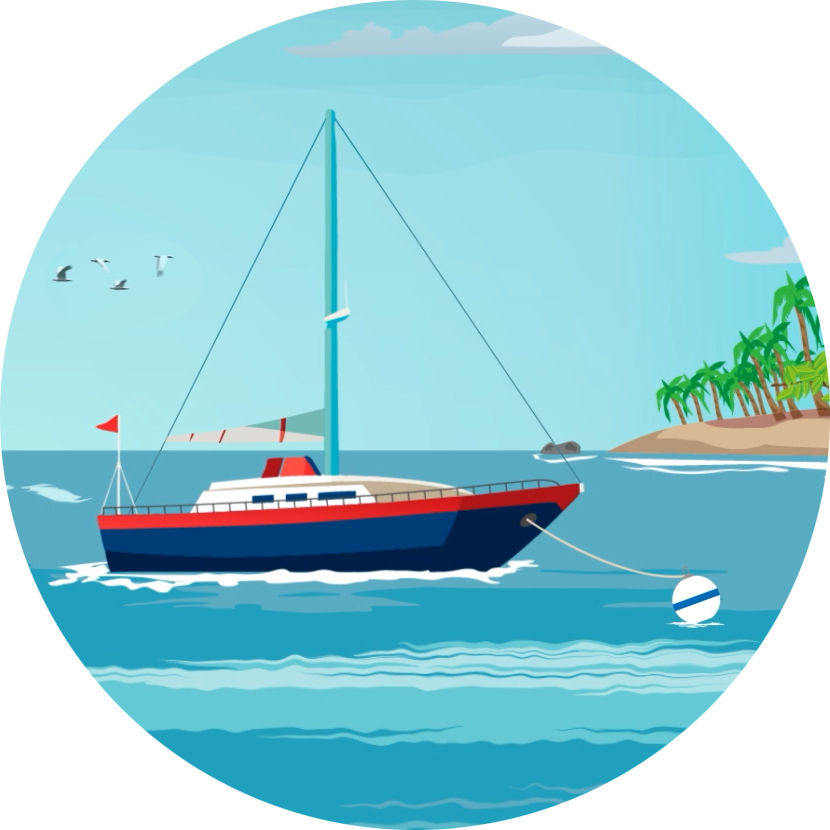
Whenever possible, boaters should use designated mooring buoys (also called mooring balls). These floating buoys are attached to permanent anchor systems on the seafloor, allowing vessels to secure safely without dropping an anchor. Using a mooring buoy protects sensitive habitats while providing a safe place to moor.
If anchoring is allowed, boaters should choose sandy or muddy areas where the anchor is less likely to damage living habitats. They should also be aware of no-anchor zones, which are established to protect fragile ecosystems such as coral reefs and seagrass meadows.
Responsible anchoring helps protect habitats that provide food, shelter, nursery areas, and coastal protection. It also helps prevent damage to boats, reduces safety risks, and ensures these valuable ecosystems remain healthy for both marine life and future generations.
Watch Your Wake
As vessels move through the water, they create waves known as wakes. Large wakes can create unsafe conditions for smaller boats, kayakers, swimmers, and people near shore. They can also stir up sediment from the seafloor, increase water cloudiness, erode shorelines, and damage sensitive coastal habitats.
When sediment is suspended in the water, it can block sunlight from reaching underwater plants and algae. This affects photosynthetic organisms such as seagrasses, algae, and phytoplankton, which form the foundation of many marine food webs. Sediment can also settle on corals, making it more difficult for them to receive sunlight and grow.
Slowing down near shorelines, docks, nesting areas, shallow habitats, and other vessels helps protect people and coastal ecosystems. No-wake zones exist for a reason: they help keep waterways safer and healthier.
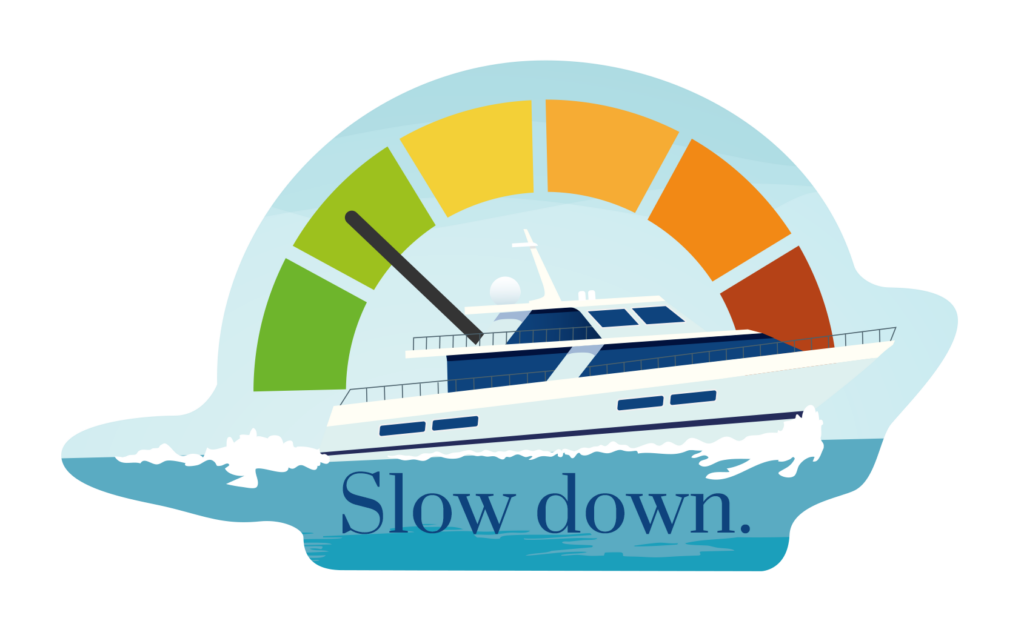
Navigating with Care means protecting the ecosystems hidden beneath the surface while avoiding accidents that put people and vessels at risk.
The Ocean’s Soundscape
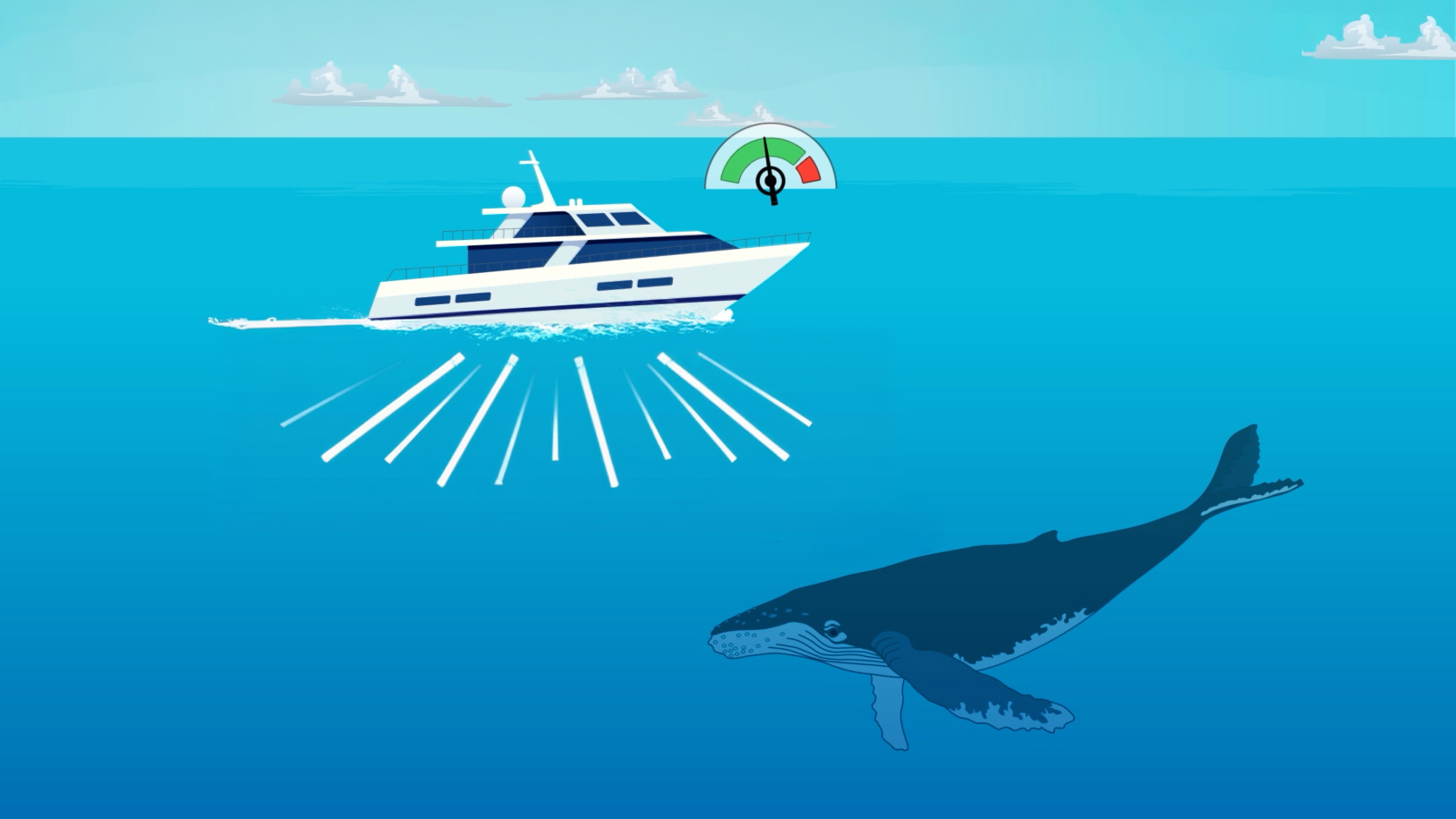
The ocean is filled with sound. Because sound travels nearly five times faster and much farther underwater than it does through air, many marine animals rely on sound to communicate, find food and mates, avoid predators, and navigate. Whales use songs and calls to communicate across great distances, dolphins use echolocation to locate prey, and many fish and invertebrates also depend on sound throughout their lives.
Anthropogenic Noise
Scientists use the term anthropogenic noise to describe sounds produced by human activities. In the ocean, ships, boats, sonar systems, offshore construction, and other human activities all contribute to underwater noise. As shipping and recreational boating continue to increase worldwide, anthropogenic noise is becoming a growing challenge for marine life, as it can interfere with communication, migration, feeding, mating, and other important behaviors.
Reducing underwater noise not only helps protect marine life, but many of the same technologies and navigation practices also improve situational awareness for mariners and reduce the risk of dangerous encounters with wildlife.
Innovations for a Quieter Ocean
Scientists and engineers are developing new ways to reduce underwater noise and protect marine life. Some solutions focus on changing how people navigate, while others involve new technologies and creative engineering.
Examples include:
- Quieter propellers and engines that reduce underwater noise.
- Electric and hybrid vessels that produce less noise than traditional engines.
- Satellite tracking, artificial intelligence (AI), and real-time whale detection systems help mariners avoid important wildlife habitats and reduce the risk of vessel strikes.
- Quiet Zones, where vessels voluntarily reduce speed or adjust their routes to protect marine mammals.
As researchers continue to learn more about the ocean’s soundscape, new technologies and conservation strategies are helping people navigate with care while protecting life beneath the waves.
Navigating With Care means embracing technologies and practices that reduce our impacts on marine life while supporting safer navigation.
Preventing Pollution and Invasive Species
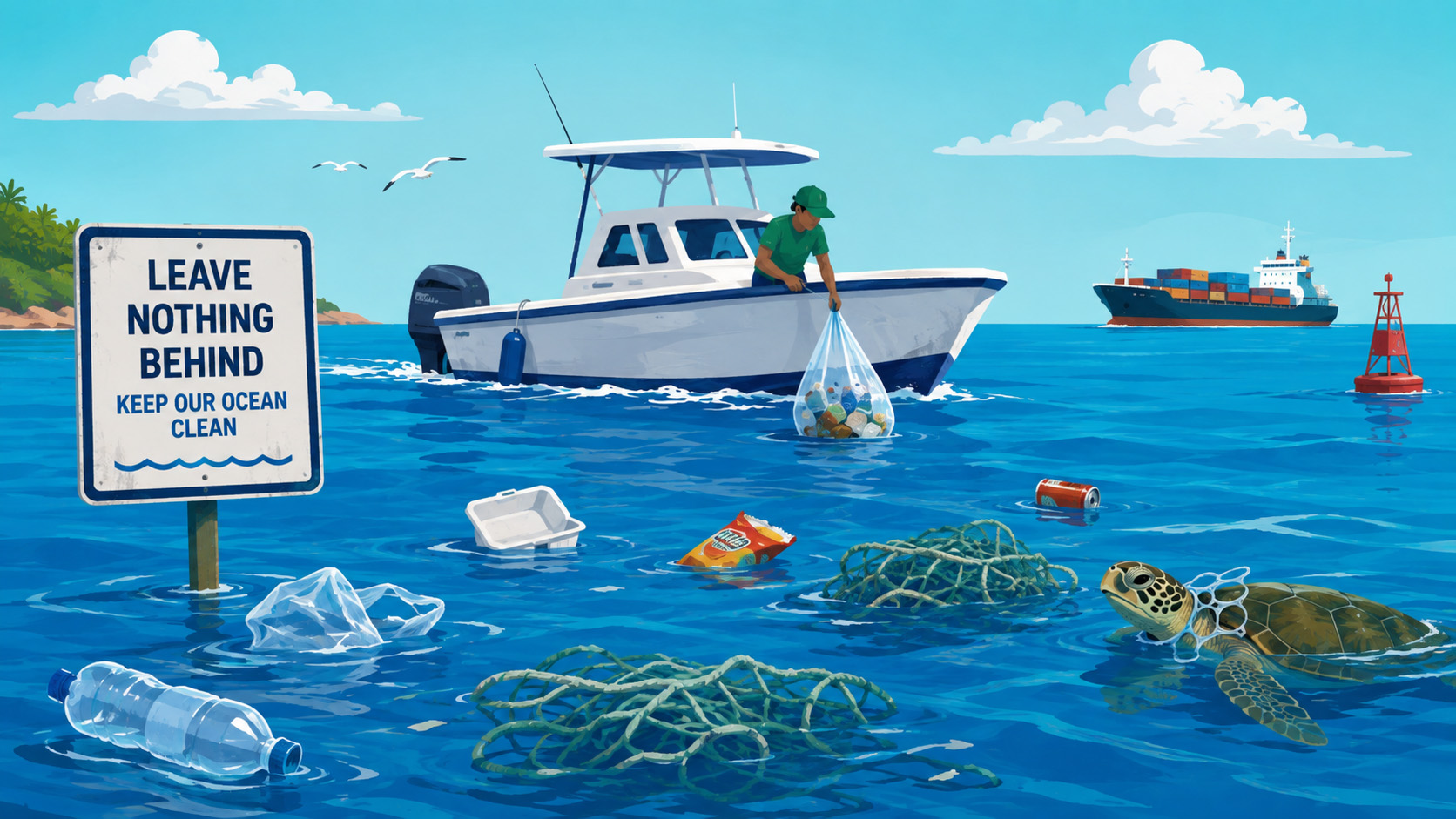
Navigating With Care means protecting the ocean from more than just physical damage. Pollution and invasive species can threaten marine life, damage habitats, and disrupt entire ecosystems. Responsible boating and shipping practices help protect wildlife while also keeping waterways cleaner, healthier, and safer for people.
A simple rule for every mariner is to leave nothing behind. Whether it is trash, fishing gear, fuel, or invasive species hitchhiking on a vessel, responsible boating means leaving the ocean as clean and healthy as you found it.
Preventing Marine Pollution
Marine pollution can come from fuel leaks, oil spills, sewage, chemicals, and marine debris—human-made materials that end up in the ocean. Marine debris includes plastic bottles, food wrappers, abandoned fishing gear, and other trash that can injure marine animals, damage habitats, and break down into tiny pieces called microplastics.
One of the most harmful types of marine debris is ghost gear—lost, abandoned, or discarded fishing nets, fishing line, and traps. Ghost gear can continue catching fish, sea turtles, seabirds, sharks, marine mammals, and other wildlife long after it has been lost.
Mariners can help prevent marine pollution by properly maintaining their vessels, disposing of waste responsibly, retrieving lost fishing gear when safe to do so, and ensuring nothing goes overboard. These simple actions help protect wildlife, keep waterways cleaner for recreation and fishing, and reduce hazards to other boaters.
Preventing Invasive Species
Sometimes plants, animals, and microscopic organisms attach themselves to the hulls of boats (the main body of a boat or ship) or are transported in ballast water—water stored in large ships to improve stability and balance—or bilge water, the water that collects in the lowest part of a vessel. Organisms can also hitchhike on fishing gear, anchors, and diving equipment.
When these species are introduced to new locations, they may become invasive and compete with native wildlife, spread disease, and disrupt local ecosystems.
Cleaning boats and equipment, properly managing ballast and bilge water, and inspecting vessels before traveling between waterways can help prevent the spread of invasive species. These actions help protect native ecosystems, support healthy fisheries, and preserve the waterways that people depend on for food, recreation, and livelihoods.
Every action people take to prevent pollution and stop the spread of invasive species helps keep our ocean healthy, protects the communities that depend on it, and ensures future generations can enjoy safe and thriving waterways.
Navigating with Care means leaving the ocean cleaner and healthier than we found it.
A Shared Responsibility
The ocean connects us all.
Whether traveling by kayak, sailboat, fishing vessel, research ship, ferry, or cargo ship, every person who uses the ocean has an opportunity to help protect it.
Navigating With Care means recognizing that the ocean is not empty space. It is a living world filled with extraordinary animals, habitats, and ecosystems.
By making thoughtful choices on the water, people can help ensure that marine life and human activities can coexist for generations to come.
As you explore this year’s theme, think about the many ways people and marine life share the ocean—and how Navigating with Care can help protect life above and below the surface.
Educational Resources
There are many excellent resources available to help students learn about responsible navigation and the ways people can safely share the ocean with wildlife. Here are a few resources to help you explore this year’s theme, Navigate with Care.
Navigate with Care Campaign
The Navigate with Care campaign was developed through a partnership between the Khaled bin Sultan Living Oceans Foundation and the International Foundation for Aids to Navigation (IFAN) to promote responsible navigation that protects both people and marine life. Explore educational resources, watch videos, download campaign materials, and learn simple actions that help protect our ocean. Students can explore the campaign with their families or teachers and encourage the adults in their lives to take the Navigate with Care Pledge.
International Foundation for Aids to Navigation (IFAN)
The International Foundation for Aids to Navigation (IFAN) works to improve maritime safety while protecting marine ecosystems. Learn about Aids to Navigation (AtoNs), sustainable navigation, and IFAN’s international projects supporting safer seas and healthier oceans.
Khaled bin Sultan Living Oceans Foundation Education Portal
Explore free educational resources about coral reefs, seagrass meadows, mangrove forests, marine biodiversity, food webs, and human impacts on ocean ecosystems.
International Organization for Marine Aids to Navigation (IALA)
IALA provides international guidance on Aids to Navigation and helps improve safe, efficient, and environmentally responsible navigation around the world. Their website includes resources on the types of aids to navigation that exist, and how they should be used and deployed.
BoatUS Foundation
The BoatUS Foundation offers educational resources on boating safety, navigation, clean boating, and responsible practices on the water.
Royal Yachting Association
The Royal Yachting Association provides training and guidance for sailors and powerboaters, including navigation skills, safety practices, and environmental responsibility through The Green Blue program.
The International SeaKeepers Society
The International SeaKeepers Society works with the yachting community to advance ocean research, conservation, and education. Explore their educational resources to learn how mariners and recreational boaters can support marine science and help protect our ocean.
NOAA Ocean Service
Explore educational resources about coral reefs, marine protected areas, nautical charts, ocean mapping, marine mammals, and ocean stewardship.
NOAA Office of Coast Survey
Learn how nautical charts, hydrography, and modern mapping technologies help mariners navigate safely while protecting marine environments.
NOAA Marine Debris Program
Learn about marine debris, ghost gear, microplastics, and actions that help prevent pollution and protect marine life.
Discovery of Sound in the Sea (DOSITS)
Explore how sound travels underwater, how marine animals communicate, and how scientists study and reduce anthropogenic noise in the ocean.
Whale Safe
See how artificial intelligence (AI), underwater microphones, and real-time whale detection help ships avoid whale collisions while reducing underwater noise.
Clean, Drain, Dry
Discover how cleaning boats and equipment helps prevent the spread of invasive aquatic species between waterways.
Additional safe and sustainable navigation resources are available on our Navigate With Care webpage under “Learn More.”
Ocean Literacy Principles
Ocean Literacy Principles Related to Navigate with Care
Principle 1: The Earth Has One Big Ocean with Many Features
Ocean Features • Ocean Processes • Navigation and Observation
The ocean’s physical features—including coral reefs, seagrass meadows, mangrove forests, coastlines, channels, and shallow waters—influence where people travel and where marine life lives. Scientists use habitat mapping, nautical charts, satellites, and other navigation tools to help mariners understand these features, travel safely, and avoid damaging sensitive marine habitats.
Principle 6: The Ocean and Humans Are Inextricably Interconnected
Uses of the Ocean • Human Impacts on the Ocean • Responsibility and Advocacy for the Ocean
People have depended on the ocean for transportation, food, recreation, research, and commerce for thousands of years. Today, millions of people travel across the ocean every day, sharing the same waters with whales, sea turtles, fish, seabirds, and countless other marine species. The choices people make while navigating can affect these ecosystems through vessel strikes, underwater noise, habitat damage, pollution, marine debris, and the spread of invasive species.
Navigating with care demonstrates how science, technology, and responsible decision-making can reduce these impacts. By planning routes carefully, protecting sensitive habitats, reducing underwater noise, preventing pollution, and using innovative navigation tools, people can safely share the ocean while helping conserve marine life and ecosystems for future generations.
Principle 7: The Ocean Is Largely Unexplored
Ocean Exploration • Scientific Discovery • Technological Innovation
Scientists, engineers, and mariners continue developing new technologies that help people and marine life safely share the ocean. Habitat mapping, hydrophones, satellite observations, artificial intelligence (AI), real-time whale detection systems, quieter propulsion systems, and autonomous vessels are improving navigation while helping researchers better understand and protect marine ecosystems. As new discoveries and innovations continue to emerge, they are creating new opportunities to navigate with care and conserve our ocean.
Thank You to Our Sponsor
The Khaled bin Sultan Living Oceans Foundation gratefully acknowledges the International Foundation for Aids to Navigation (IFAN) for sponsoring the 2027 Science Without Borders® Challenge theme, Navigate with Care.
Building on our successful Navigate with Care campaign, IFAN’s generous support is helping extend the reach of this important initiative to students and classrooms around the world. Together, we hope to inspire the next generation to understand that the choices we make on the water can help protect people, marine life, and fragile ocean ecosystems.
To learn more about IFAN and its work to improve maritime safety through Aids to Navigation, visit www.ifanmaritime.org.uk.