search-icon
Palmerston Atoll – part 2

One of our aims in coming to Palmerston was to transport official representatives of the Cook Islands Marine Park Steering committee to this remote island. The committee is on a fact-finding mission, to determine what people think of the marine park, and more particularly what they think of a proposal on how the park should be used.
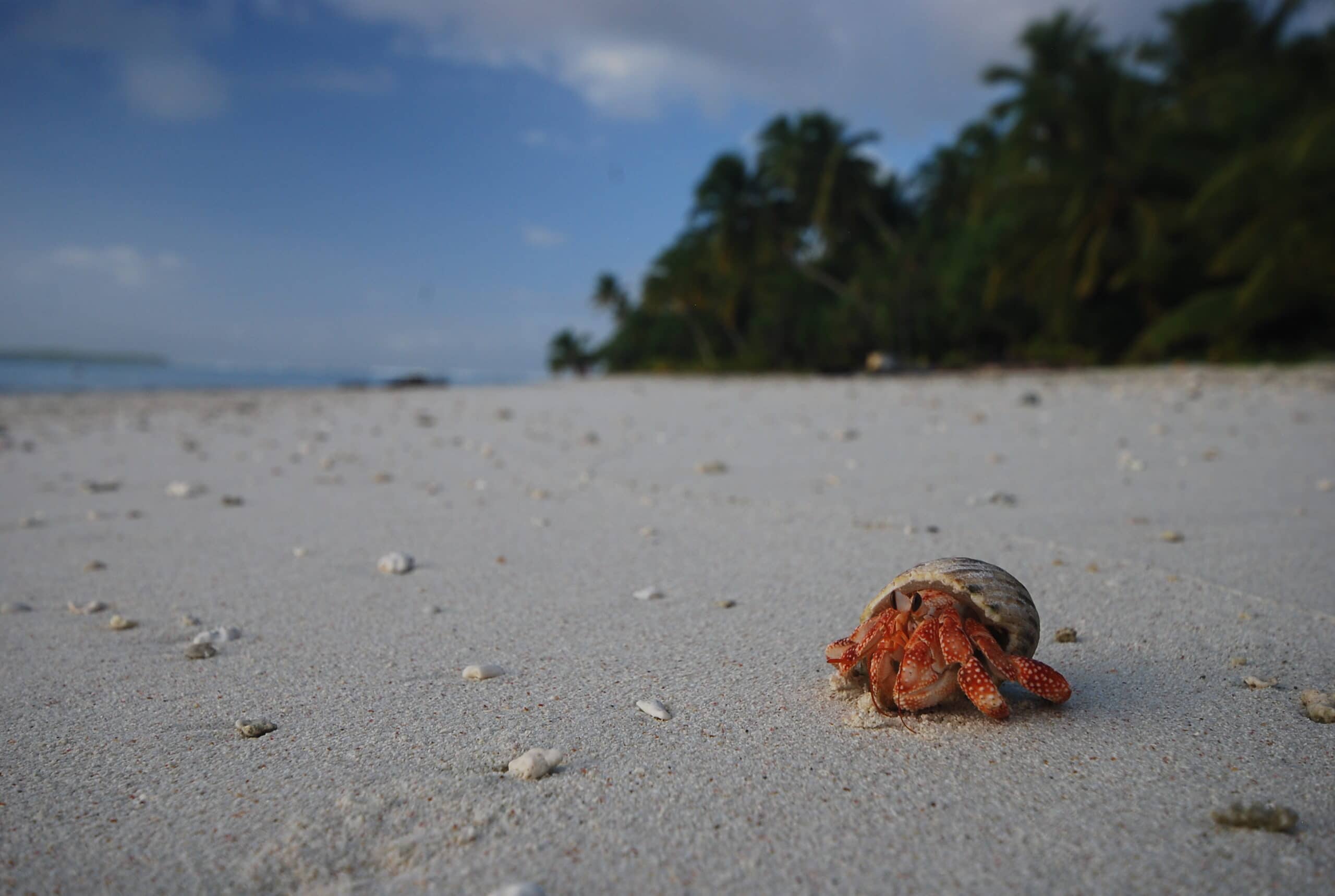
Cook Islands Marine Park Steering Committee is on a fact-finding mission on Palmerston Atoll, where we found this hermit crab.
A hermit crab on one of the beautiful beaches of Palmerston Atoll, where the Cooks Islands Marine Park Steering Committee is on a fact-finding mission.

Cook Islands Marine Park

The Cook Islands Marine Park will be a multi-zoned park, allowing some activities, like local fishing, while excluding others. During their time on Palmerston, the committee held a public meeting to discuss the plans, and then went door to door to collect feedback from the islanders. Armed with the thoughts of the Palmerston islanders the committee will now take their findings about the marine park proposal back to the government in Rarotonga.
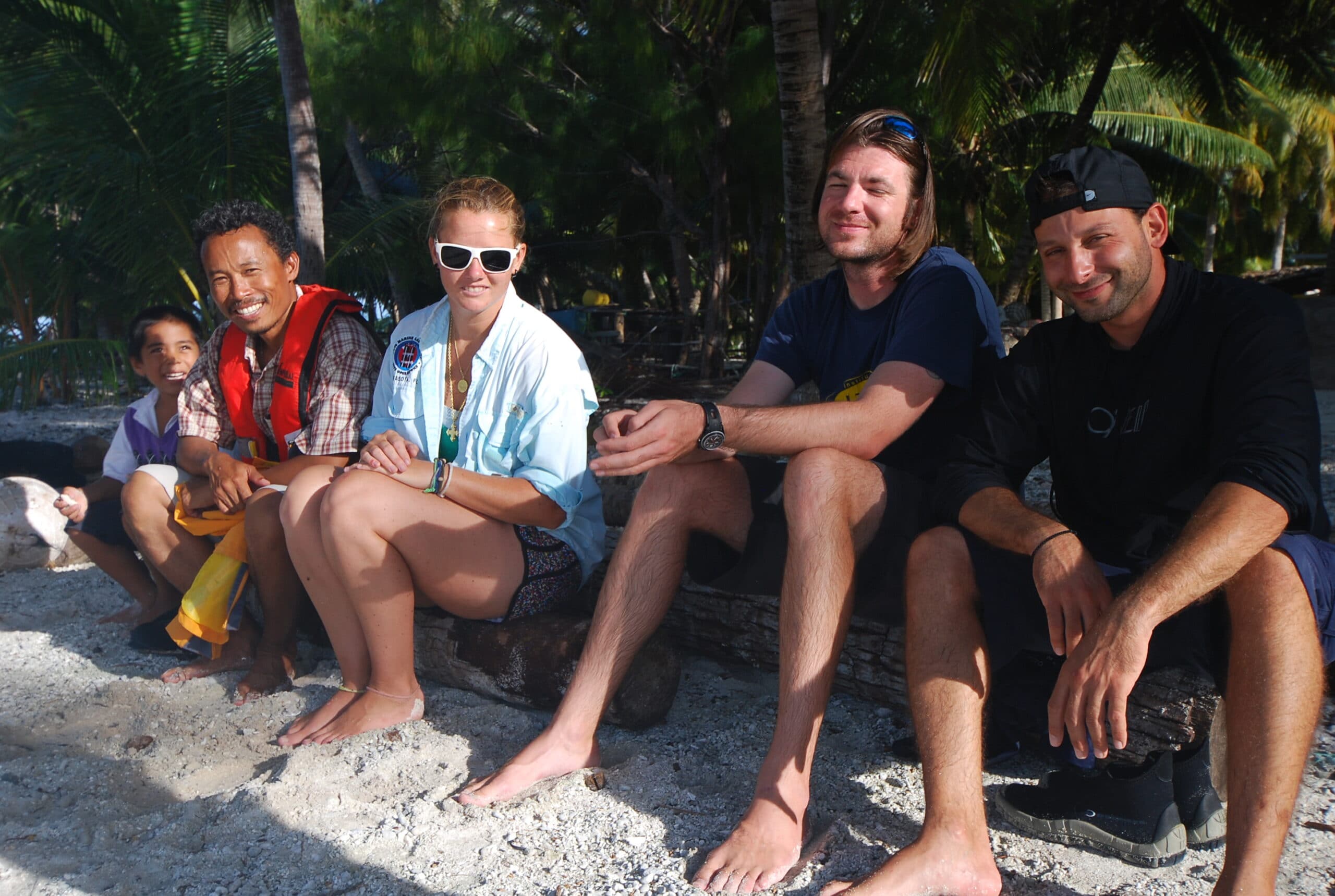
Some of the scientists from the Golden Shadow sitting with a resident of Palmerston Atoll curious about the marine park proposal.

(Photos by Alison Barrat)

To follow along and see more photos, please visit us on Facebook!
Related Posts

World Oceans Day: Protecting the Ecosystems That Protect Us

This World Oceans Day, the global community is being challenged to think differently about the ocean.

The 2026 World Oceans Day theme, “Reimagine: Beyond the World We Know, A New Relationship With Our Ocean,” invites us to recognize that the ocean is not something distant or separate from our lives. It regulates our climate, supports our economies, provides food for billions of people, and sustains the natural systems that make life on Earth possible.

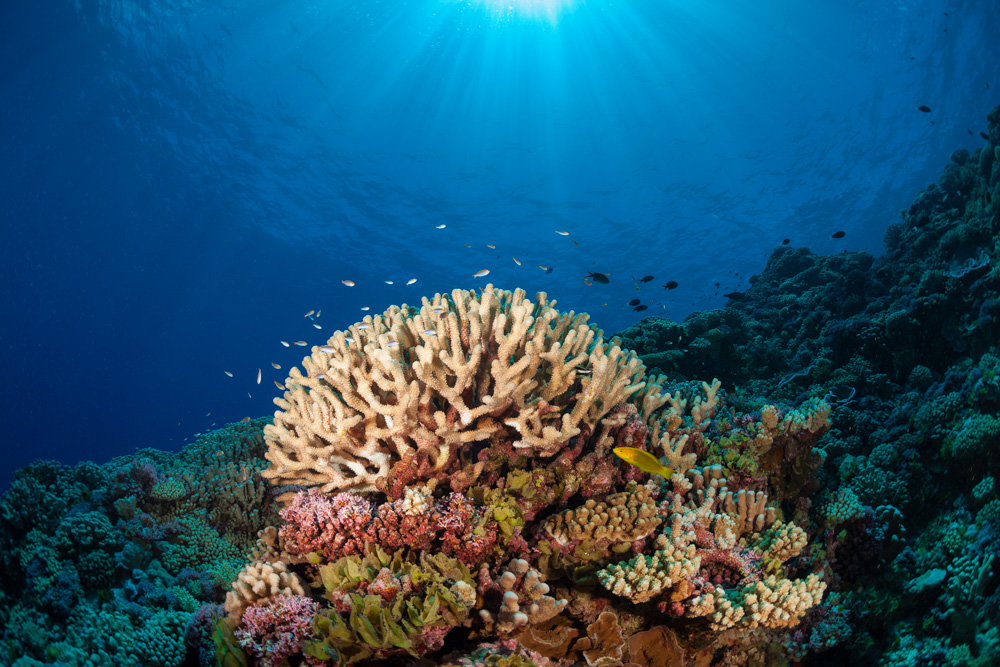
Few places illustrate this connection more clearly than the coastal ecosystems that protect our shores and support marine life. While coral reefs, mangrove forests, and seagrass meadows are often…

Read More

After the Storm: Standing with Our J.A.M.I.N. Family in Jamaica

There are moments in this work that feel heartbreakingly familiar.

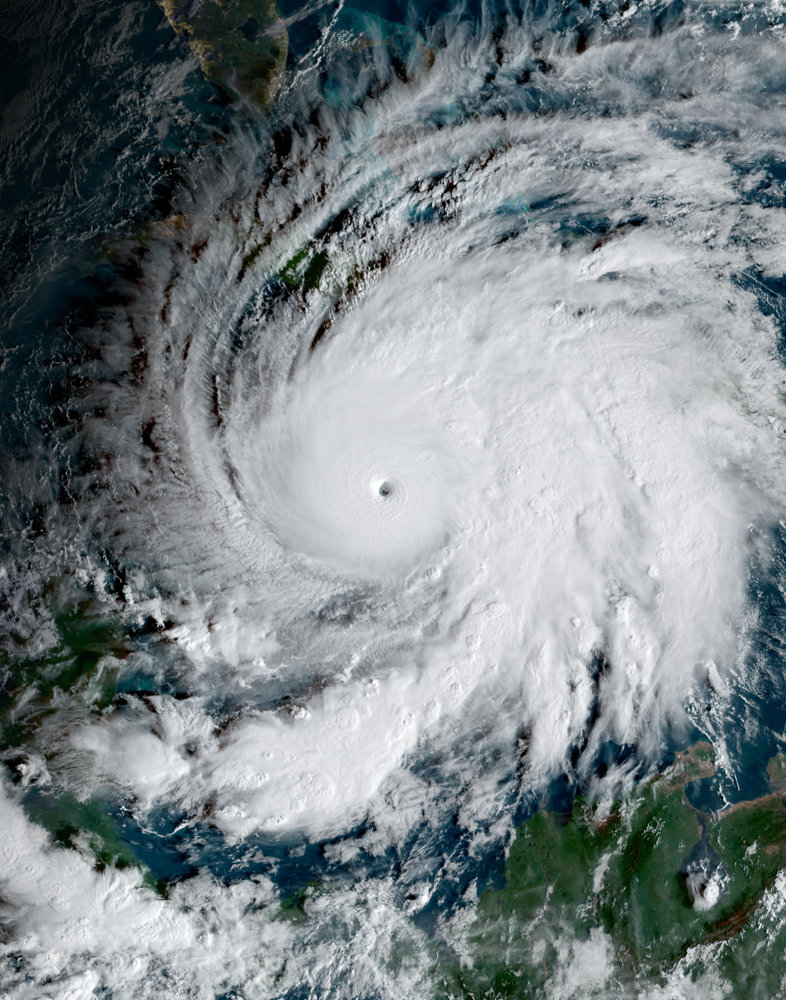
Two weeks after we completed our Jamaica Awareness of Mangroves in Nature (J.A.M.I.N.) programming, Hurricane Melissa made landfall. A powerful Category 5 hurricane, Melissa is now tied with Hurricane Allen in 1980 for the strongest winds ever recorded in an Atlantic storm. Like Hurricane Dorian, which devastated The Bahamas in 2019, Melissa will be remembered as one of the strongest hurricanes on record in the region.

For 11 years, the University of the West Indies Discovery Bay Marine Laboratory and William Knibb Memorial High School have been more than program partners. They have welcomed us into their classrooms and labs, shared meals and laughter, and committed themselves to educating their students about mangroves and coastal resilience. These colleagues and students are not distant collaborators. They are family.

And they were hit hard…

Read More
Privacy Overview

This website uses cookies so that we can provide you with the best user experience possible. Cookie information is stored in your browser and performs functions such as recognising you when you return to our website and helping our team to understand which sections of the website you find most interesting and useful.  You can view our complete Privacy Policy here.

Strictly Necessary Cookies

Most of our cookies are used to improve website security and reduce spam. These cookies should be enabled at all times. They also enable us to save your preferences for cookie settings.

3rd Party Cookies

This website uses Google Analytics to collect anonymous information such as the number of visitors to the site, and the most popular pages. Keeping this cookie enabled helps us to improve our website.